How to Choose Custom Metal Labels for Clothing and Handbags
Learn how B2B buyers can choose custom metal labels for clothing and handbags, including material, logo detail, finish, attachment, quality control and packaging.
Ninco
6/24/20265 min read
How to Choose Custom Metal Labels for Clothing and Handbags
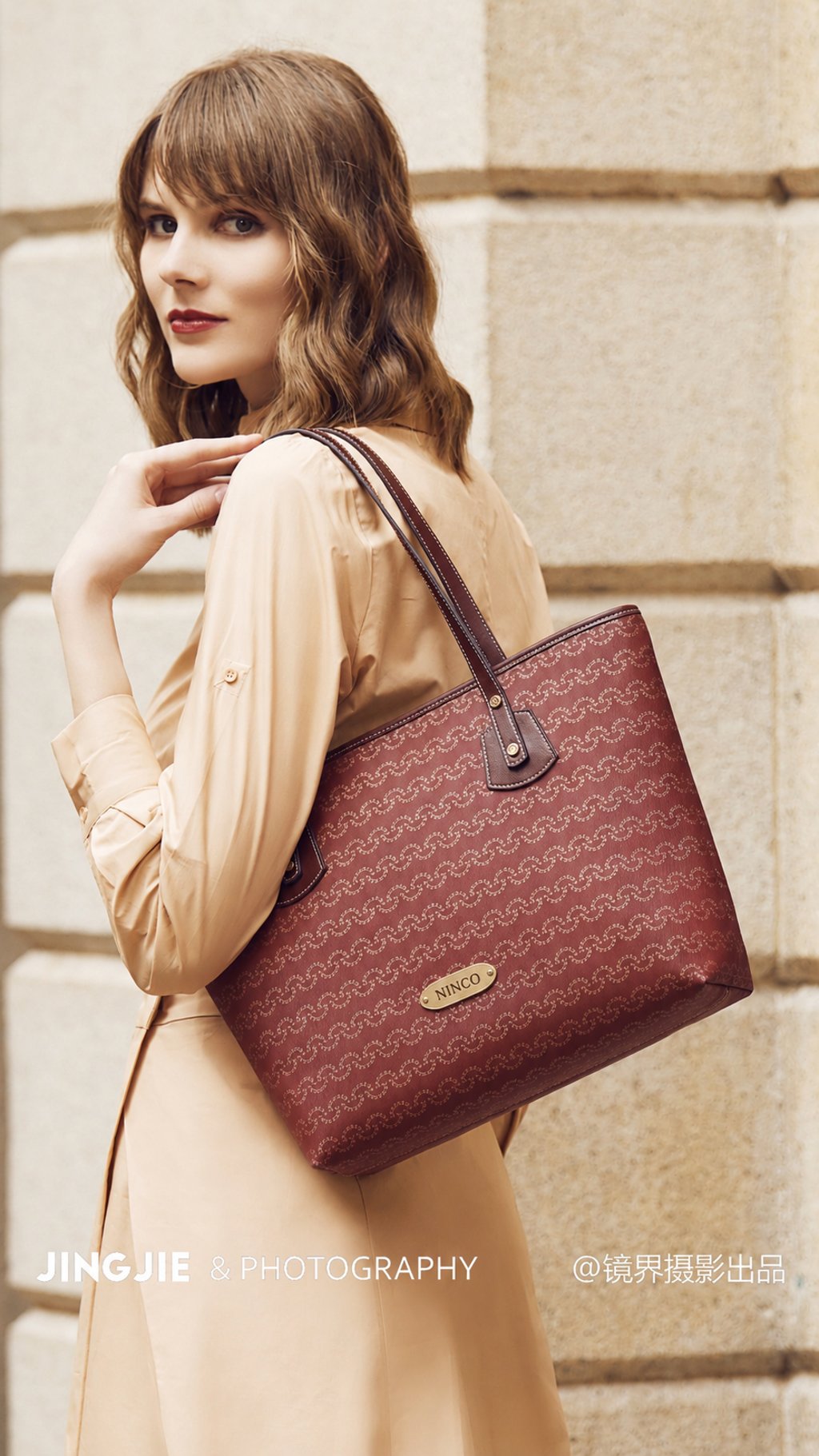
Custom metal labels are small components, but they carry a large part of a product's brand impression. On a handbag, a metal logo plate may be the first detail a buyer notices. On clothing, a small metal label can add weight, texture and a more finished look than a printed or woven label alone. For fashion brands, bag companies and OEM/ODM buyers, choosing the right label affects mold cost, sampling time, assembly, durability and packaging.
This guide explains the practical points buyers should confirm before ordering custom metal labels for clothing and handbags, including die casting, polishing, plating, enamel filling, assembly and quality control.
Start with the Product Application
The first question is where the label will be used. A metal label for a leather handbag has different requirements from a small label on denim, sportswear or a gift pouch. Handbag labels often need a stronger backside structure, such as pins, rivets, screws or folding legs. Clothing labels may need sewing holes, flat backs or lightweight designs.
Buyers should confirm the base material, attachment area, expected use and washing or friction conditions. On flexible fabric, sharp corners and heavy structures may not be suitable. On a handbag front panel, the label needs to sit flat and remain stable.
For brand trims and logo plates, Ninco Factory's custom metal sewing labels page is a useful internal reference for common applications and product styles.
Choose a Suitable Material and Structure
Zinc alloy is commonly used for custom metal labels because it supports detailed shapes, raised logos, recessed areas and three-dimensional surfaces. It is usually made by die casting, then processed through polishing, edge sanding, water grinding and surface finishing.
For very thin, flat or simple labels, other materials may also be considered. However, buyers should avoid choosing material based only on price. The right choice depends on logo detail, thickness, weight, finish, strength and assembly method.
If the design has high relief, recessed logo areas or a shaped outline, zinc alloy die casting is often a practical option. If the label must be extremely lightweight, the design may need to be simplified or made thinner, but this can affect strength and surface feel. A factory should review the artwork before confirming the best material and structure, especially when the label needs to match other custom metal accessories in the same collection.
Review Logo Detail Before Opening the Mold
The mold determines the shape and logo details of the metal label. Before opening a mold, buyers should check whether the artwork is suitable for metal production. Very small letters, narrow gaps, thin raised lines and complex textures may look clear on a screen but lose definition after casting, polishing and plating.
A good specification should include the label size, thickness, logo position, surface texture, backside structure and finish requirement. If enamel filling or epoxy doming is needed, the recessed areas must be deep and wide enough for stable color filling. If the logo is raised and polished, the edges should not be too fragile.
It is better to adjust the artwork before mold making than to revise the mold after sampling. Mold changes can add cost and extend development time, especially for B2B projects with a launch schedule.
Select the Right Finish and Color Process
The surface finish strongly affects the final look of a custom metal label. Common options include shiny gold, light gold, rose gold, nickel, black nickel, gunmetal, antique brass, antique silver, matte finishes and painted colors. The finish should match the other hardware on the product, such as buckles, zipper pullers, chains, buttons or decorative tags.
Electroplating is widely used for metallic finishes. Before plating, the label usually needs polishing and surface preparation so the finish looks smooth and consistent.
Enamel filling is useful when the logo or background needs a specific color. Buyers should provide Pantone references where possible, but they should also understand that color can look slightly different on metal than it does on paper or fabric. If a transparent protective effect is required, epoxy doming may be added after color filling, depending on the design.
Confirm Attachment, Assembly and Packaging
Attachment is often overlooked until the sample arrives. For clothing and handbags, the backside of the label is as important as the front. Sewing holes may work for fabric labels. Pins and washers may be suitable for leather goods. Rivets or screws may be required for stronger bag structures.
Buyers should provide the material thickness and assembly method to the factory. If the label will be attached by another garment or bag factory, the parts should be easy to sort and install. For multi-color or multi-size orders, clear packaging and labeling help reduce mistakes during assembly.
Packaging should also protect the surface finish. Plated metal labels can be scratched if packed loosely. Depending on the finish and order requirements, labels may need individual bags, protective film or separated compartments.
Check Samples with a Quality Control Mindset
Sample approval should not be based only on whether the label "looks nice." Buyers should check size, weight, backside structure, logo clarity, plating color, surface defects, sharp edges, enamel filling and attachment fit. If the label has pins or rivets, test it on the actual fabric or bag material instead of only viewing it on a desk.
Common points to inspect include uneven polishing, rough edges, plating spots, color overflow, air bubbles in epoxy, weak pins, incorrect logo depth and inconsistent finish. Some small variation can occur in metal production, but the approval standard should be clear before bulk production begins.
For bulk orders, practical quality control includes checking dimensions, surface appearance, color consistency, packaging condition and function. If the project is part of a larger collection, compare the label finish with other hardware items.
FAQ
What is the best material for custom metal labels?
Zinc alloy is a common choice for detailed custom metal labels because it can be die cast into raised logos, recessed designs and shaped outlines. The best material still depends on label size, thickness, weight, attachment method and target finish.
Can custom metal labels be used on both clothing and handbags?
Yes, but the structure should be adjusted for each application. Clothing labels may need sewing holes or a lighter flat design, while handbag labels often need stronger pins, rivets, screws or folding legs.
What files are needed for a custom metal label quotation?
A clear logo file, size, finish request, quantity, backside structure and application details are helpful. Vector artwork is preferred when available because it makes mold review more accurate.
Why does a custom metal label require a mold cost?
Most custom metal labels need a dedicated mold to create the shape, logo and structure. The mold is developed before sampling and is specific to the approved design.
How should buyers approve a metal label sample?
Check the sample on the real product material whenever possible. Review logo detail, plating color, surface quality, backside structure, attachment strength and packaging requirements before approving bulk production.
Call to Action
If you are developing custom metal labels for clothing, handbags, shoes or gift products, prepare your logo artwork, target size, finish preference and attachment method before requesting a quote. Ninco Factory can help review practical production details for custom metal labels and zinc alloy label structures so your design is ready for sampling and bulk manufacturing. You can also send the project details for a custom quote.
Contact
Get in touch for custom solutions.
CONTACT
Connect
lucy@nincofactory.com
© 2026 Ninco. All rights reserved.