Custom Metal Labels for Fashion Brands: What Buyers Should Confirm Before Ordering
A practical sourcing guide for fashion brands ordering custom metal labels, covering artwork, material, mold, finish, attachment, sampling, packaging and quality checks.
Ninco
6/24/20265 min read
Custom Metal Labels for Fashion Brands: What Buyers Should Confirm Before Ordering
Custom metal labels can make a garment, handbag or accessory feel more finished, but they are not simple decorative items. For fashion brands and sourcing teams, a small logo plate can affect product cost, sampling time, assembly, packaging and customer perception. A label that looks good in a design file may need changes before it can be produced reliably in metal.
Before placing an order, buyers should confirm the practical details that influence production. These include artwork quality, material, mold structure, surface finish, attachment method, inspection standard and packing method. Clear specifications reduce misunderstanding and help the supplier prepare a more accurate quotation.
Confirm the Final Application First
The same metal label can behave very differently depending on where it is used. A label fixed to the front of a handbag may need pins, screws or rivets. A small garment label may need sewing holes, a flat back or a lightweight structure. A label used on footwear may need stronger surface protection because it may face more friction.
Buyers should explain the application clearly before asking for price. Useful details include the base material, position, product thickness, expected use and whether the part needs to pass washing, bending or abrasion conditions. If the label will be installed by another factory, the attachment method should be easy for that factory to handle during assembly.
For garment and handbag projects, Ninco Factory's custom metal sewing labels page can be used as a reference for common label styles and product applications.
Review Logo Artwork Before Mold Development
Metal production has different limits from printing. Very small letters, thin strokes, narrow gaps and complicated textures may not remain clear after die casting, polishing and plating. If a logo has many fine details, the supplier should review whether the design needs to be simplified or enlarged before making the mold.
Vector artwork is preferred because it gives the factory cleaner lines for mold development. If only a low-resolution image is available, the quotation may be less accurate and the sample may not match the brand's expectation. Buyers should provide the logo file, target size, thickness, surface layout and backside structure whenever possible.
This review stage is important because mold changes after sampling can add cost and time. It is usually better to adjust the artwork before opening the mold than to force an unsuitable design into production.
Choose Material and Structure Based on the Design
Zinc alloy is often used for custom metal labels because it supports raised logos, recessed areas, shaped outlines and three-dimensional details. It is suitable for many fashion accessories, handbags, shoes and garment trims. However, material choice should not be based only on price. The label's size, weight, strength, logo depth and finish all matter.
If a label needs a thick, solid and sculpted look, zinc alloy die casting may be suitable. If the design is very thin and flat, another process may be considered depending on the required shape and finish. The supplier should explain what is realistic for the design instead of simply accepting every specification.
Buyers should also check whether the label needs to match other hardware in the same collection, such as zipper pullers, buckles, buttons or chains. Consistency across the full product line can be more important than choosing the cheapest option for one part.
Specify the Finish Clearly
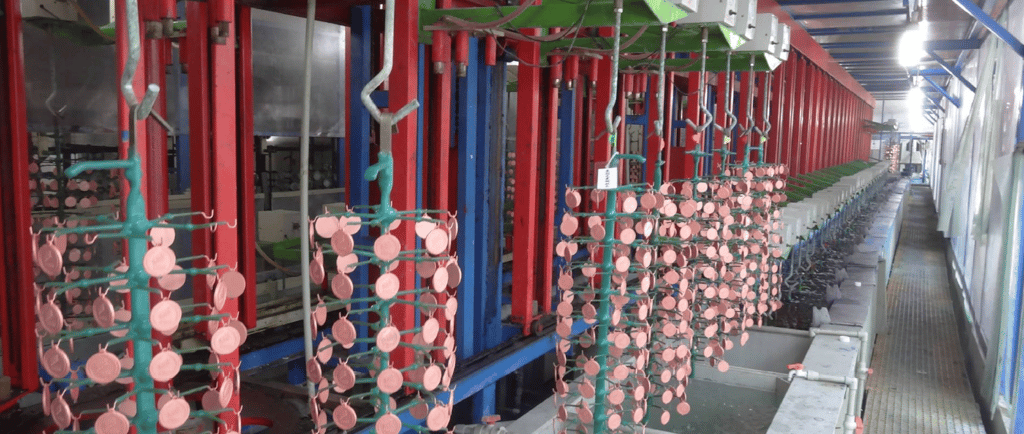
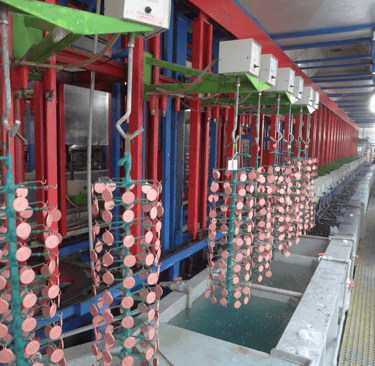
Surface finish has a strong influence on the final appearance of a metal label. Common choices include shiny gold, light gold, rose gold, nickel, black nickel, gunmetal, antique brass, antique silver, matte finishes and painted colors. The same logo can look very different depending on the plating color and surface texture.
Buyers should provide a finish reference whenever possible. If the label needs to match existing bag or garment hardware, the supplier should know this before sampling. For color-filled designs, Pantone references can help, but buyers should understand that color may appear slightly different on metal compared with fabric, paper or screen displays.
If enamel filling or epoxy doming is required, the recessed areas must be suitable for that process. Very small areas may be difficult to fill cleanly, and curved surfaces may limit the final effect.
Confirm Attachment and Assembly Details
The backside of a custom metal label is just as important as the front. A label may look perfect on a desk but fail during assembly if the pins are too short, the holes are in the wrong place or the structure does not fit the base material.
Common attachment options include sewing holes, flat backs, pins with washers, rivets, screws and folding legs. The correct choice depends on the final product. For leather bags, thickness and installation pressure matter. For garments, comfort and washing conditions may be more important. For gift products, the label may need a decorative rather than functional attachment.
Buyers should test samples on the actual material when possible. This helps confirm whether the label sits flat, whether the attachment is stable and whether the surface finish is protected during assembly.
Check Packaging and Quality Standards
Metal labels can be scratched if they are packed loosely, especially with shiny or dark plating finishes. Buyers should confirm whether the parts need individual bags, protective film, layered packing or separated compartments. Good packaging reduces damage during shipping and makes assembly easier for downstream factories.
Quality control should cover more than appearance. Buyers should check size, weight, logo clarity, plating color, surface defects, edge smoothness, backside structure and attachment strength. For filled-color designs, inspect color overflow, uneven filling and bubbles. For epoxy doming, check clarity, surface smoothness and adhesion.
If the label is part of a larger order with several hardware items, compare all finishes under similar lighting. Small color differences may become obvious when labels, buckles and zipper pullers are used on the same product.
FAQ
What information is needed for a custom metal label quote?
Useful information includes logo artwork, target size, order quantity, finish color, material preference, backside structure, application and packaging requirements.
Is zinc alloy suitable for fashion brand labels?
Zinc alloy is commonly used for detailed custom metal labels because it supports raised logos, recessed areas and shaped outlines. The final choice depends on weight, thickness, design detail and finish requirement.
Can the label color match other hardware?
It can be matched closely when the factory has clear finish references. However, slight variation may occur between batches, materials and surface textures, so sample approval is important.
Should samples be tested on the final product?
Yes. Testing the sample on the actual garment, handbag or accessory material helps confirm fit, attachment strength, appearance and assembly practicality.
Why is packaging important for metal labels?
Plated metal surfaces can scratch during transport or assembly. Suitable packaging helps protect the finish and keeps parts organized for production.
Call to Action
If you are preparing custom metal labels for a fashion collection, send your logo, size, finish, quantity and attachment requirement before sampling. Ninco Factory can review the design, production process and packaging details for your project. You can request a custom quote with your project information.
Contact
Get in touch for custom solutions.
CONTACT
Connect
lucy@nincofactory.com
© 2026 Ninco. All rights reserved.